
Policy Environment, Social Factors, Political Engagement, and Mental Health of Gender-Diverse People of Color
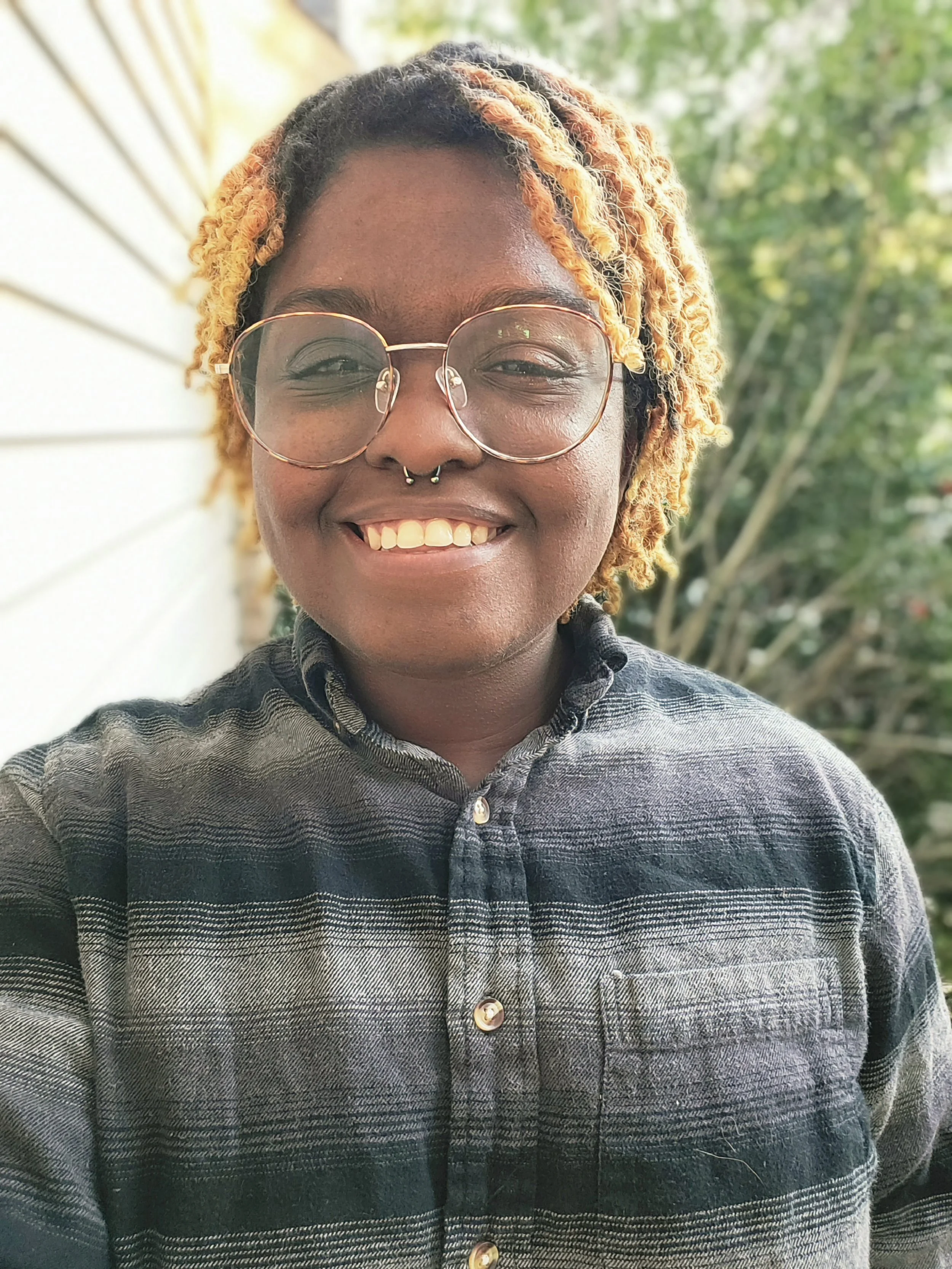
Lee Robertson, M.S.
grant scholar
Transgender and gender-diverse people of color (TGD POC), who exist at the intersection of two well-documented marginalized identities, report startlingly high amounts of mental health burden, with particularly high rates of suicide-related thoughts and behaviors (STBs). Adopting a systems perspective on the study of mental health of TGD POC would suggest that social determinants of health, such as socioeconomic status, play an important role in the mental health disparities TGD POC experience. This research proposal puts forth the hypothesis that anti-LGBTQ+ and anti-POC state policy environments are correlated with greater mental distress and suicide ideation in a sample of TGD POC. Robertson also hypothesizes that discrimination experiences and socioeconomic status will partially account for the variance in these relationships. Additionally, Robertson hypothesizes that political media exposure and political participation will significantly moderate these relationships.
How Being Trans Superpowered
My Research For The Better
Anonymous,
grant scholar
In this commentary piece, one of our OutVote Grant Scholars (who wishes to remain anonymous due to fears of governmental or institutional retaliation) outlines her experience as a Black trans woman conducting research on trans people's experiences in NCAA sports at a public Florida university. She takes us through her journey finding her footing in the research space and confronting the intensifying attacks on trans people and academics in the US --- all while socially and medically transitioning (in a state that makes that process prohibitively difficult). Finally, she ends with a reflection on how research can and should be used as a tool for activism, bringing to light new questions and new perspectives on the world that the status quo might have previously overlooked.
LGBTQ+ Educator Experiences Under
Shifting Political Climates (2020–2025):
A Longitudinal Qualitative Study
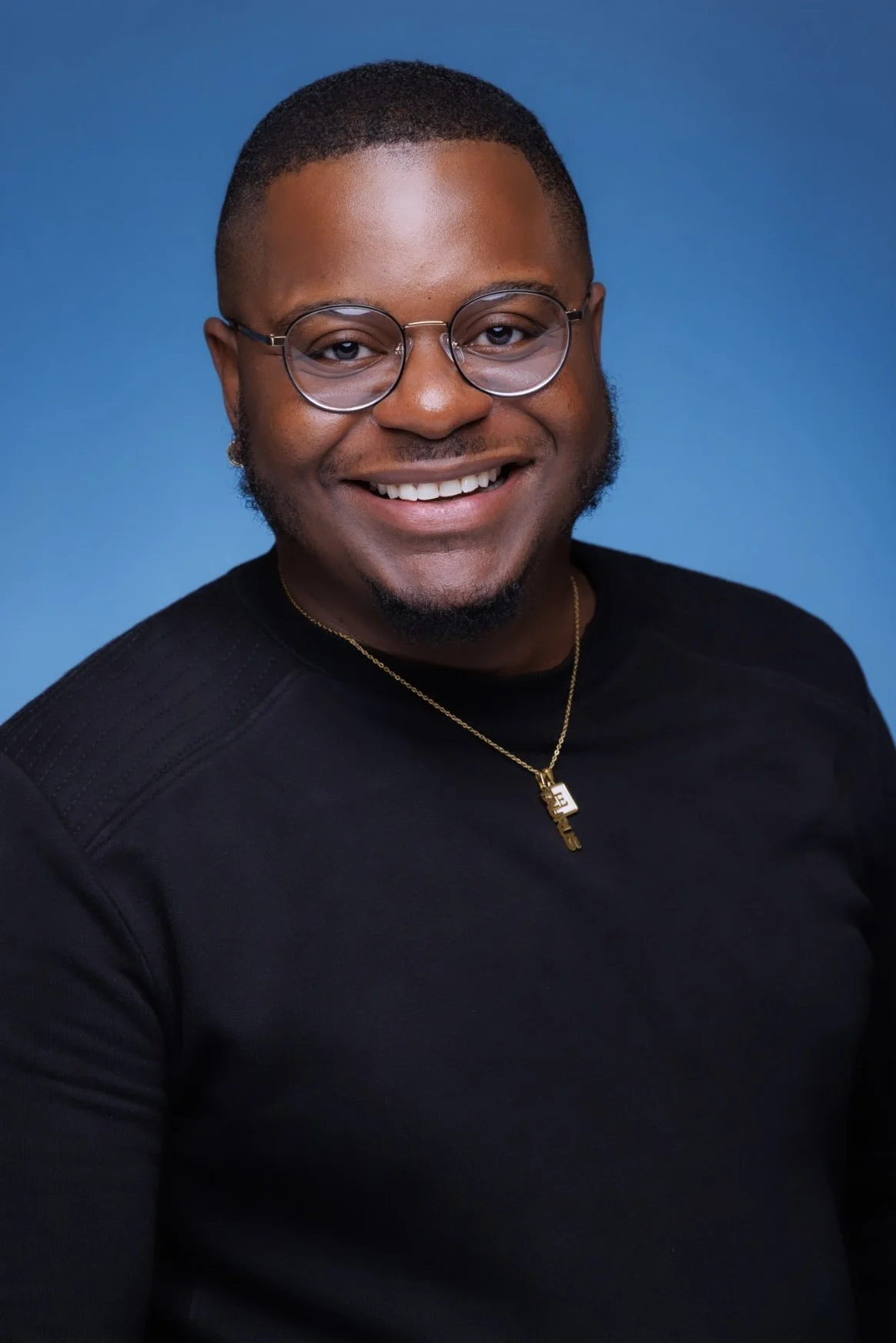
Eric T. Turner, Jr., MSW, M.Ed, Ed.D,
grant scholar
Over the past five years, LGBTQ+ educators, particularly Black and LGBTQ+ educators, have navigated rapidly changing and directly antagonizing political conditions that have reshaped their visibility, safety, and advocacy within schools. This longitudinal study (2020–2025) draws on in-depth interviews with four educators originally interviewed in 2018–2020 and re-interviewed in 2025. Findings reveal both continuity and regression in the climate regarding LGBTQ+ advocacy in schools, with educators consistently maintaining a deep commitment to student care while adapting their visibility strategies to increasingly volatile policy environments. This study offers implications and recommendations for educational leaders, policymakers, and institutions seeking to protect and sustain LGBTQ+ educators, especially Black and LGBTQ+, whose presence serves as a dual-stabilizing force for students during periods of civic uncertainty.
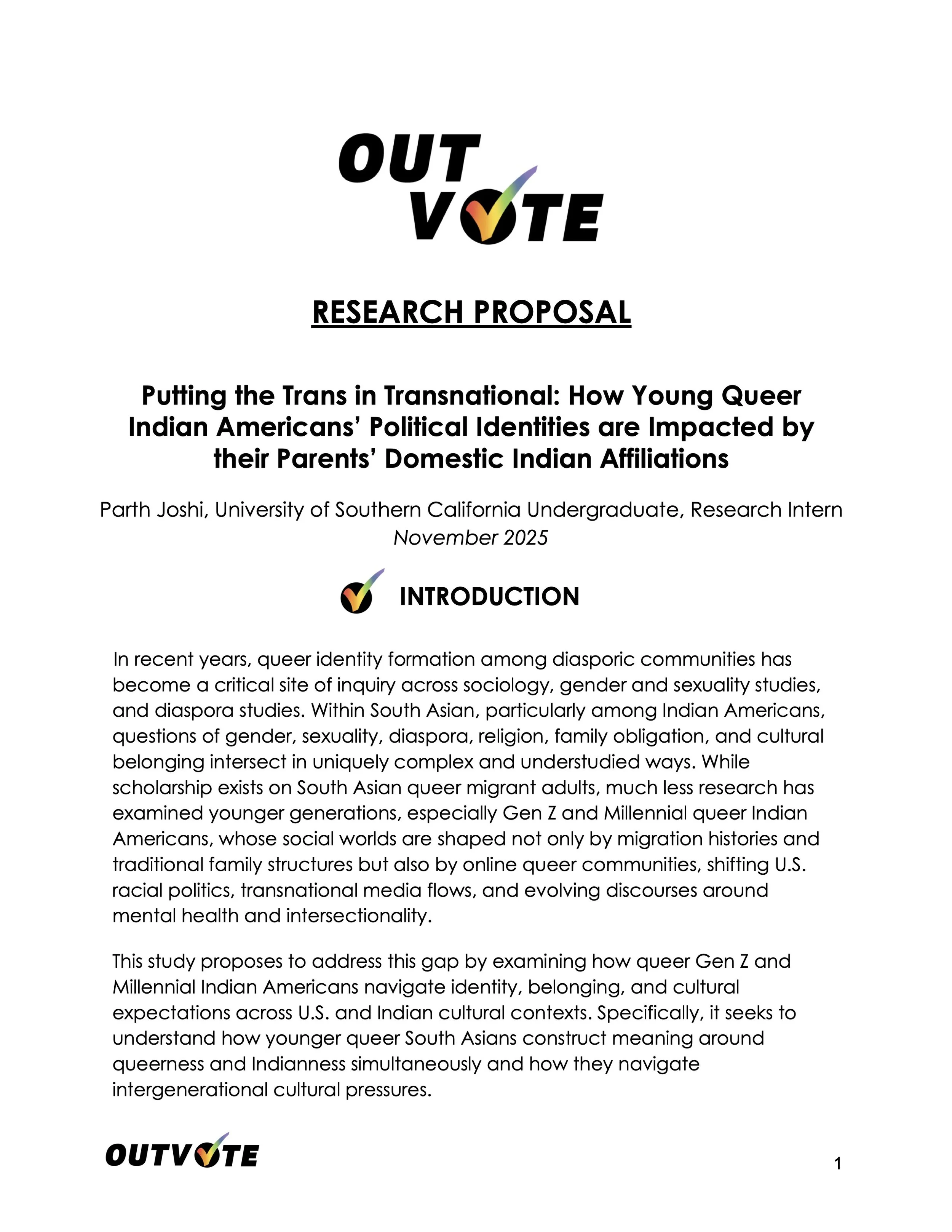
Putting the Trans in Transnational: How Young Queer Indian Americans’ Political Identities are Impacted by their Parents’ Domestic Indian Affiliations
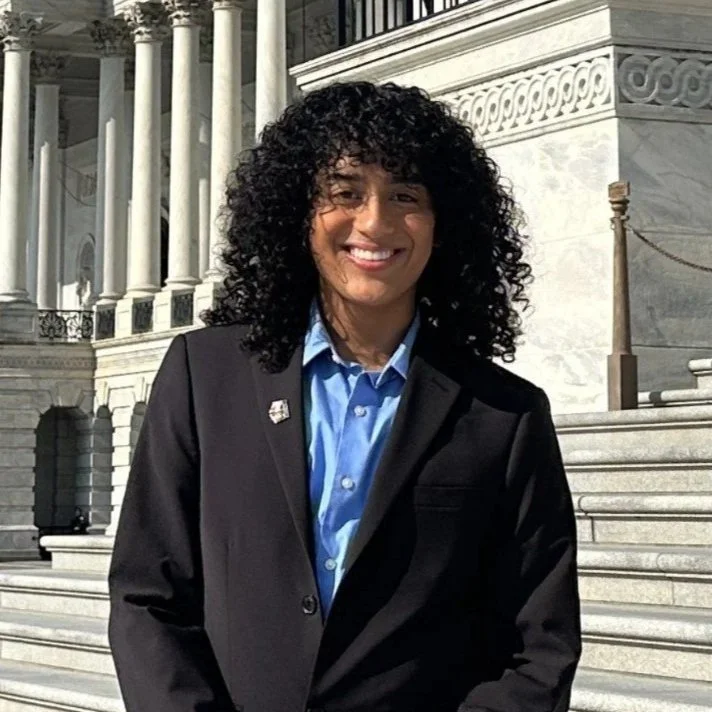
Within South Asian communities, particularly among Indian Americans, questions of gender, sexuality, diaspora, religion, family obligation, and cultural belonging intersect in uniquely complex and understudied ways. While scholarship exists on South Asian queer migrant adults, much less research has examined younger generations, especially Gen Z and Millennial queer Indian Americans, whose social worlds are shaped not only by migration histories and traditional family structures but also by online queer communities, shifting U.S. racial politics, transnational media flows, and evolving discourses around mental health and intersectionality. This proposal seeks to address this gap by examining how queer Gen Z and Millennial Indian Americans navigate identity, belonging, and cultural expectations across U.S. and Indian cultural contexts. Via semi-structured interviews, it seeks to understand how younger queer South Asians construct meaning around queerness and Indianness simultaneously and how they navigate intergenerational cultural pressures.
Parth Joshi, research intern
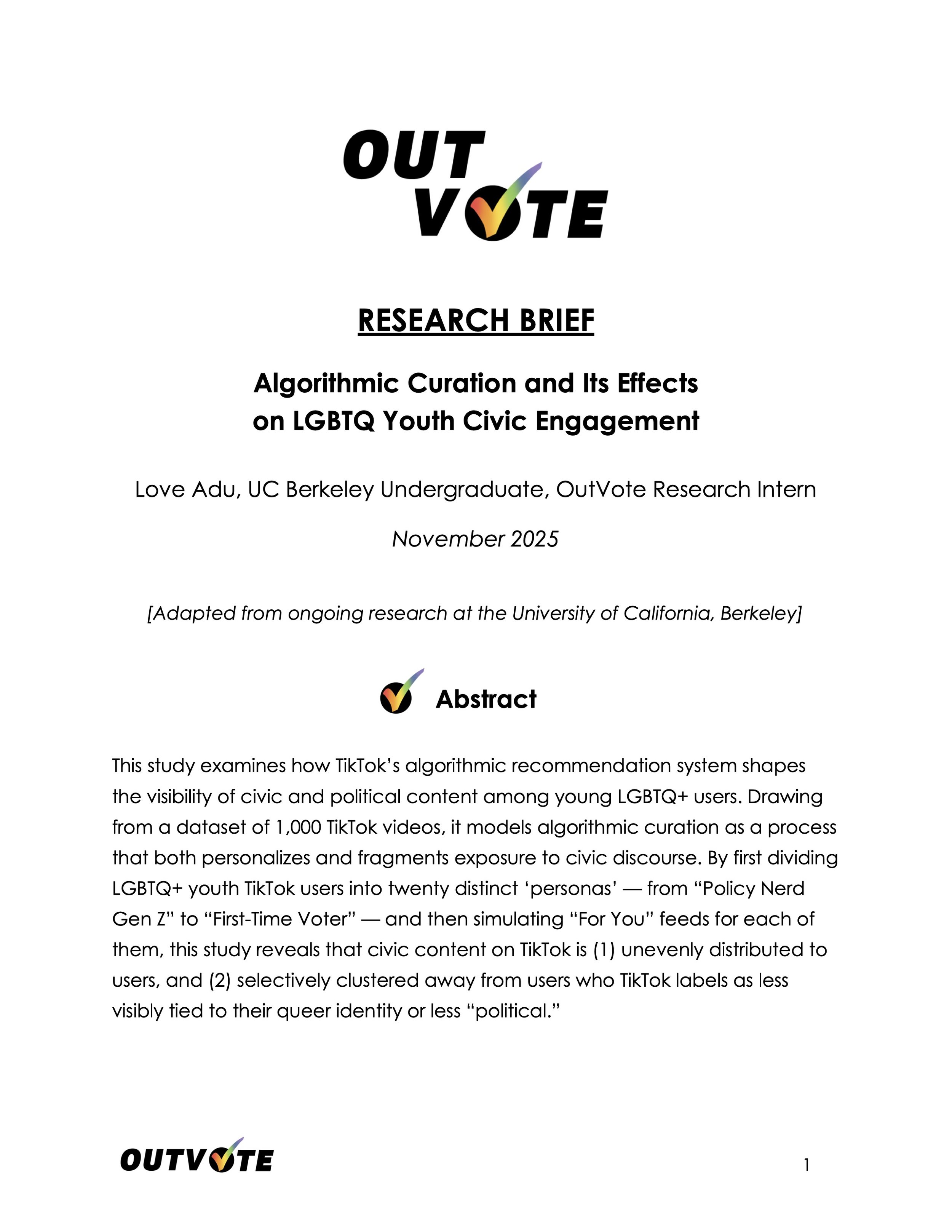
Algorithmic Curation and Its Effects on LGBTQ Youth Civic Engagement
This study examines how TikTok’s algorithmic recommendation system shapes the visibility of civic and political content among young LGBTQ+ users. Drawing from a dataset of 1,000 TikTok videos, it models algorithmic curation (e.g., the TikTok "For You" page) as a process that both personalizes and fragments exposure to civic discourse. By first dividing LGBTQ+ youth TikTok users into twenty distinct ‘personas’ (a methodology common in this field of algorithmic analysis) — from “Policy Nerd Gen Z” to “First-Time Voter” — and then simulating “For You” feeds for each of them, this study reveals that civic content on TikTok is (1) unevenly distributed to young LGBTQ+ users, and (2) selectively clustered away from users who TikTok labels as less visibly tied to their queer identity or less “political.”
love adu, research intern
OutVote Research Brief: Why LGBTQ+ Youth Voter Engagement is More Important Than Ever
This brief proposes a nonpartisan voter engagement initiative focused on mobilizing young LGBTQ+ voters: OutVote. The proposed approach targets young LGBTQ+ voters, a growing demographic with the potential to impact election outcomes, particularly in swing states. Evidence suggests that voting behaviors have a stronger influence on LGBTQ+ policy outcomes than actions by other political actors, and demographic trends indicate that LGBTQ+ youth represent a rapidly expanding segment of the electorate. The report outlines key implementation strategies, including peer-to-peer engagement, recruitment of youth ambassadors, and focusing on contentious races in swing states. The initiative also highlights the need for broader engagement, both nationally and within states where LGBTQ+ rights are most vulnerable. Mobilizing young queer voters offers a preventative approach to stopping anti-LGBTQ+ legislation, addressing the immediate need for action while fostering long-term civic engagement within the LGBTQ+ community.
outvote research coordinator
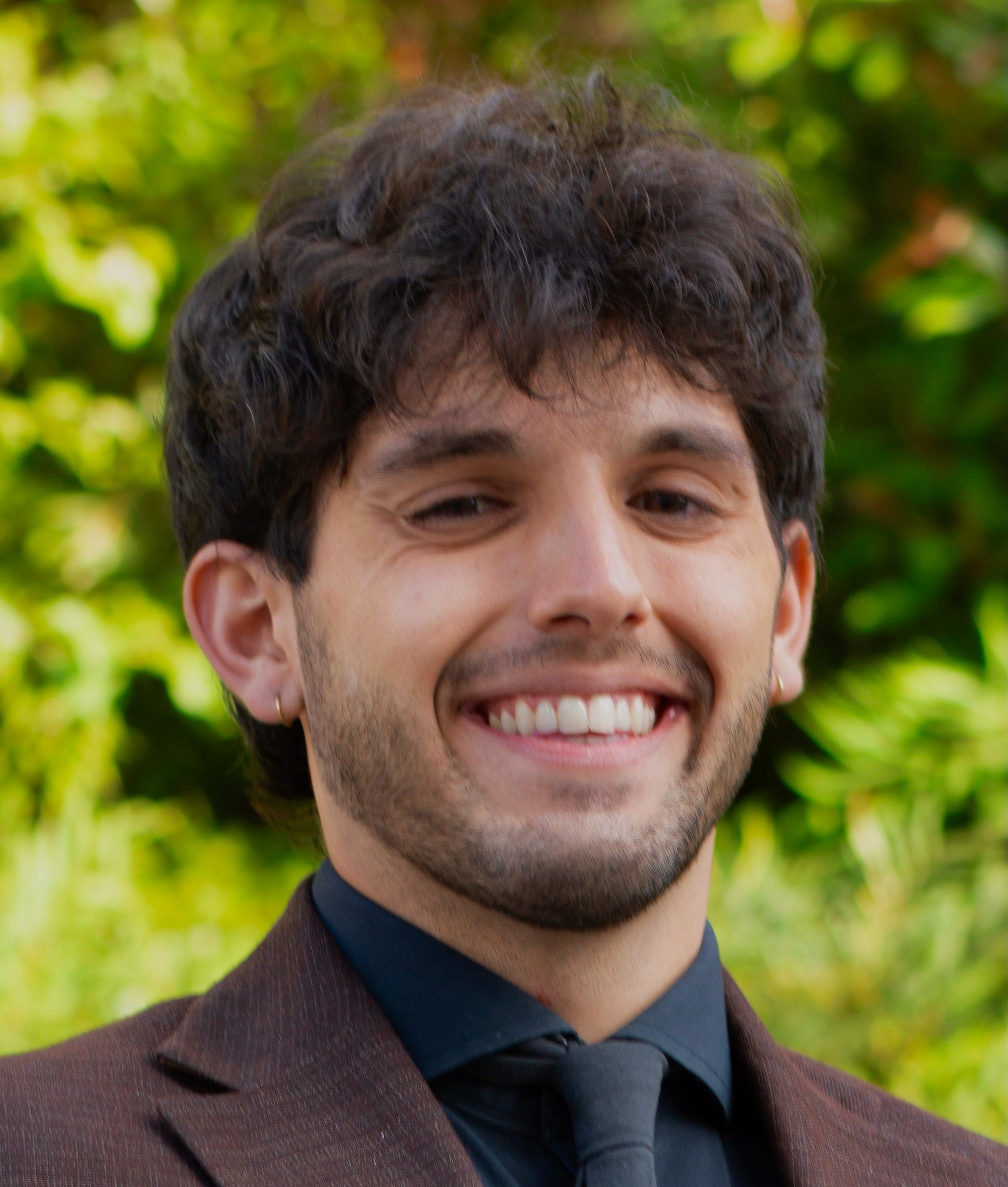
josh babu (he/they)
Originally from Arizona, Josh studied molecular biology and gender and sexuality studies at Princeton, where his research explored the clinical benefits of gender-affirming hormone therapy for gender-diverse youth. As a Rhodes Scholar, Josh then received a Master’s in Comparative Social Policy and a Master of Public Policy at the University of Oxford. Josh's graduate research, which won the George Smith Award for Best Thesis, explored legal protections for LGBTQ+ individuals in the United States. Josh documented state-level trends in pro- and anti-LGBTQ+ legislation over the past fifteen years and investigated which factors contribute most heavily to a state’s LGBTQ+ policy outcomes. Josh is set to attend Harvard Medical School to begin a career as a physician-policymaker and advocate for the rights of LGBTQ+ patient populations. Josh believes fiercely that science and research are key to the fight for LGBTQ+ equality, as they grant us the perspective to know exactly where our efforts should lie.